Introduction
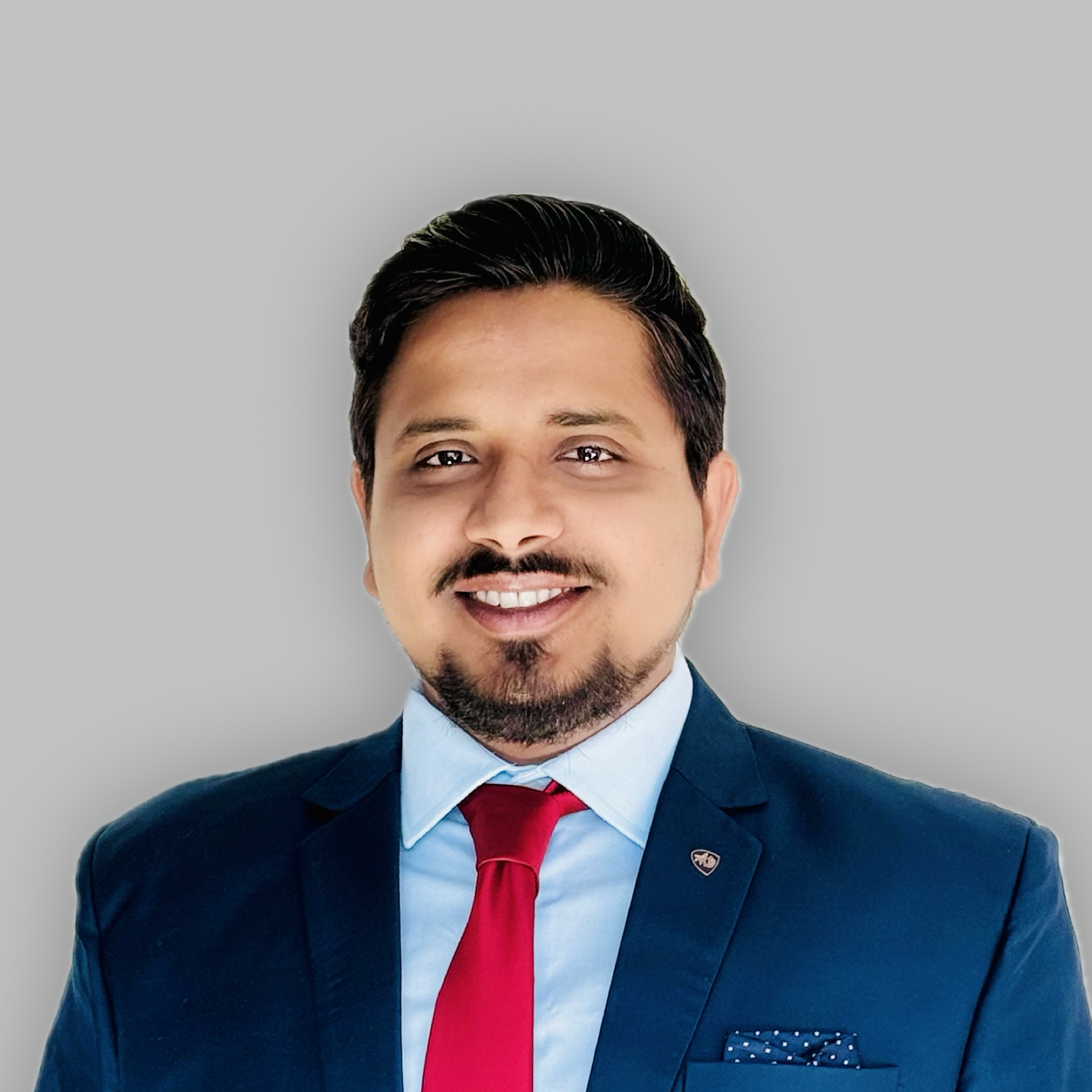
I am Dr. Joy Karmakar, a chemist translating molecular insight into therapeutic innovation. My work bridges fluorescent probe design, medicinal chemistry, and translational drug discovery.
From the quiet, verdant town of Jhalda in West Bengal—where curiosity took root under open skies and modest surroundings— my journey has spanned continents, disciplines, and frontiers of molecular science. As a First Generation College Student, I began my academic path at the storied Department of Chemistry at Presidency College (now Presidency University), Kolkata — India’s oldest chemistry department and a cradle of scientific excellence since the 19th century. After laying a solid foundation there, I advanced to the University of Hyderabad to earn my master’s degree, further refining my scientific vision. After spending a year in IISER-Pune to advance my research experience, my academic journey eventually took me overseas to Ariel University in Israel, where I earned a Ph.D. in Chemistry. Along the way, I have dedicated my research to the exciting interface of molecular design and diagnostic innovation, always with the goal of bridging bench-side discovery and clinical impact.
At the University of California, San Francisco (UCSF), I was part of a cutting-edge research team developing selective small-molecule inhibitors targeting key ion transporters such as SLC26A6 (PAT1) and SLC26A4 (pendrin). These proteins are central to epithelial ion transport and are promising therapeutic targets for cystic fibrosis and related disorders. Our work seeks to address the molecular basis of these diseases, with the aim of translating discoveries from bench to bedside.
Alongside this, I led an independent research effort driven by a pressing crisis in public health: the emergence of Xylazine as a dangerous opioid adulterant in the United States. In response to this escalating threat, I was developing an innovative fluorescent probe for rapid Xylazine detection—enabling real-time, on-the-ground diagnostics that could save lives and reshape how we respond to contaminated drug supplies. It is science not only for understanding, but for urgent intervention.
Across each stage of this journey—from a remote town in eastern India to the laboratories of Israel and the research halls of the San Francisco — my compass has remained steady: to engineer molecules that matter, and to bridge the worlds of chemistry and medicine with purpose, creativity, and impact.